
Choosing a pool sweeper for a San Angelo pool
A pool sweeper can reduce hands-on vacuuming, but the right choice depends on your pool’s surface, plumbing and usual debris. Start by identifying the equipment you already have. A cleaner that fits an existing pressure line may be a different purchase from a robot that needs no pool-plumbing connection. This guide explains those differences and the checks to make before replacing a sluggish cleaner.
Understand the three cleaner types
- Suction-side: Uses the pool pump’s suction and sends collected debris through the pool’s filtration system. Match its flow requirements and connection to your equipment.
- Pressure-side: Uses pressurized return water and collects debris in a bag or other onboard receptacle. Booster-pump requirements depend on the model.
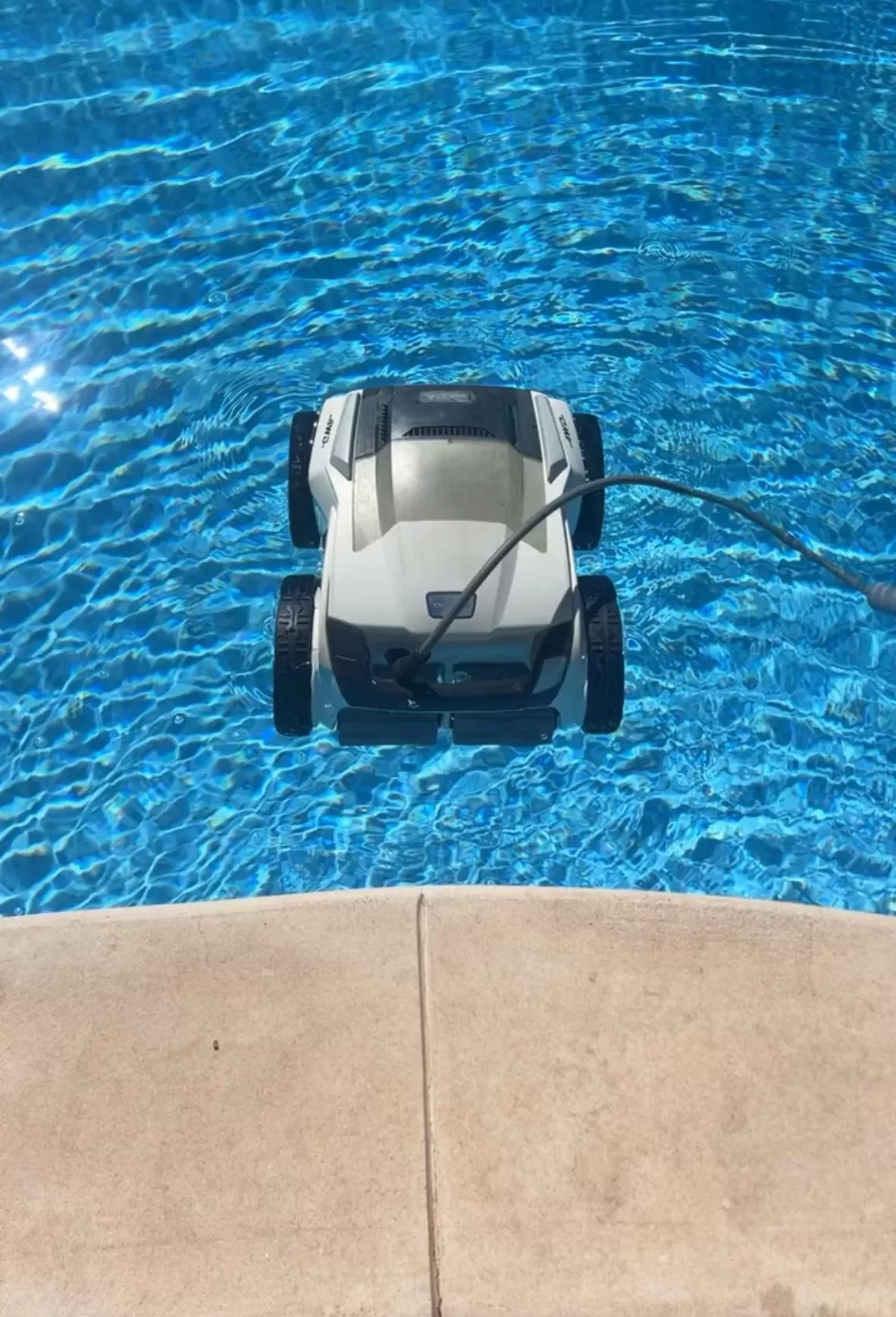
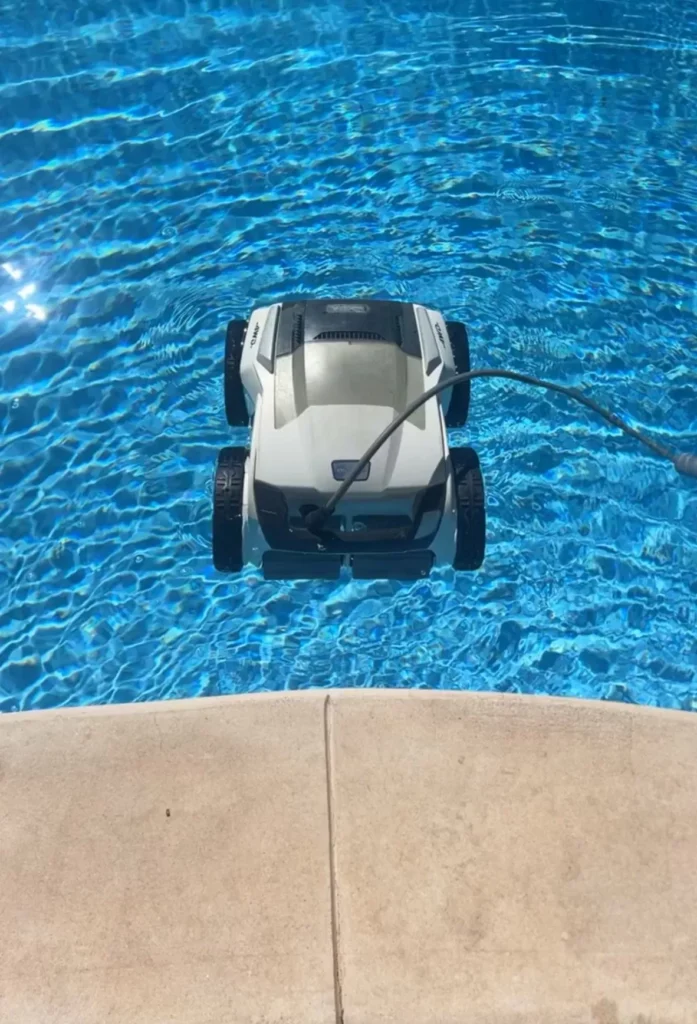
- Robotic: Uses its own motor and filter, powered by a corded supply or rechargeable battery. It does not replace the pool’s normal circulation and sanitizing routine.
For a concrete distinction, the Polaris Vac-Sweep 280 requires a booster pump, while the Vac-Sweep 360 uses a suitable dedicated return line without one. Both are pressure-side cleaners. Check the exact model rather than relying on a brand name or a photo.
Compare the job, not just the features
Write down the pool’s length, depth, finish and whether it is above ground or in ground. Check each manufacturer’s compatibility limits. Ask whether the proposed cleaner covers the floor only or also climbs walls and cleans the waterline; those abilities vary by model. Steps and shallow ledges may still need hand cleaning.
Then consider the debris. A leaf-heavy pool needs enough intake and collection capacity, while fine dust calls for an appropriate filter or bag. Compare replacement filters, hoses, brushes and other wear parts, plus any installation work. For a cordless model, include charging and retrieval in your routine. For a corded model, check the required outlet location.
Check a struggling sweeper safely
With swimmers out, note whether it stops, misses the same area or moves without collecting debris. Record the model and any error code. Before inspecting moving parts or clearing blockages, stop the unit and disconnect its power source as directed by its manual; turn off the pool pump for a pump-driven cleaner.
Check the collection bag or basket, accessible hose connections and visible wear. Use the manufacturer’s flow test or troubleshooting sequence rather than guessing at pump settings. For corded Polaris robots, follow the manual’s GFCI-outlet requirement, avoid extension cords and keep swimmers out while the cleaner is in the pool. Damaged electrical cables or repeated protective-device trips need professional attention.
Ask about repair or replacement
To discuss a sweeper alongside routine pool care, review Concho Valley Pool’s San Angelo pool cleaning services and contact the company with your cleaner’s model and symptoms. Request a diagnosis and itemized repair estimate before deciding whether replacement makes sense.
Tags: polaris, pool cleaning service near me, pool service san angelo tx, pool sweeper, robotic pool cleaner, san angelo pool cleaning