
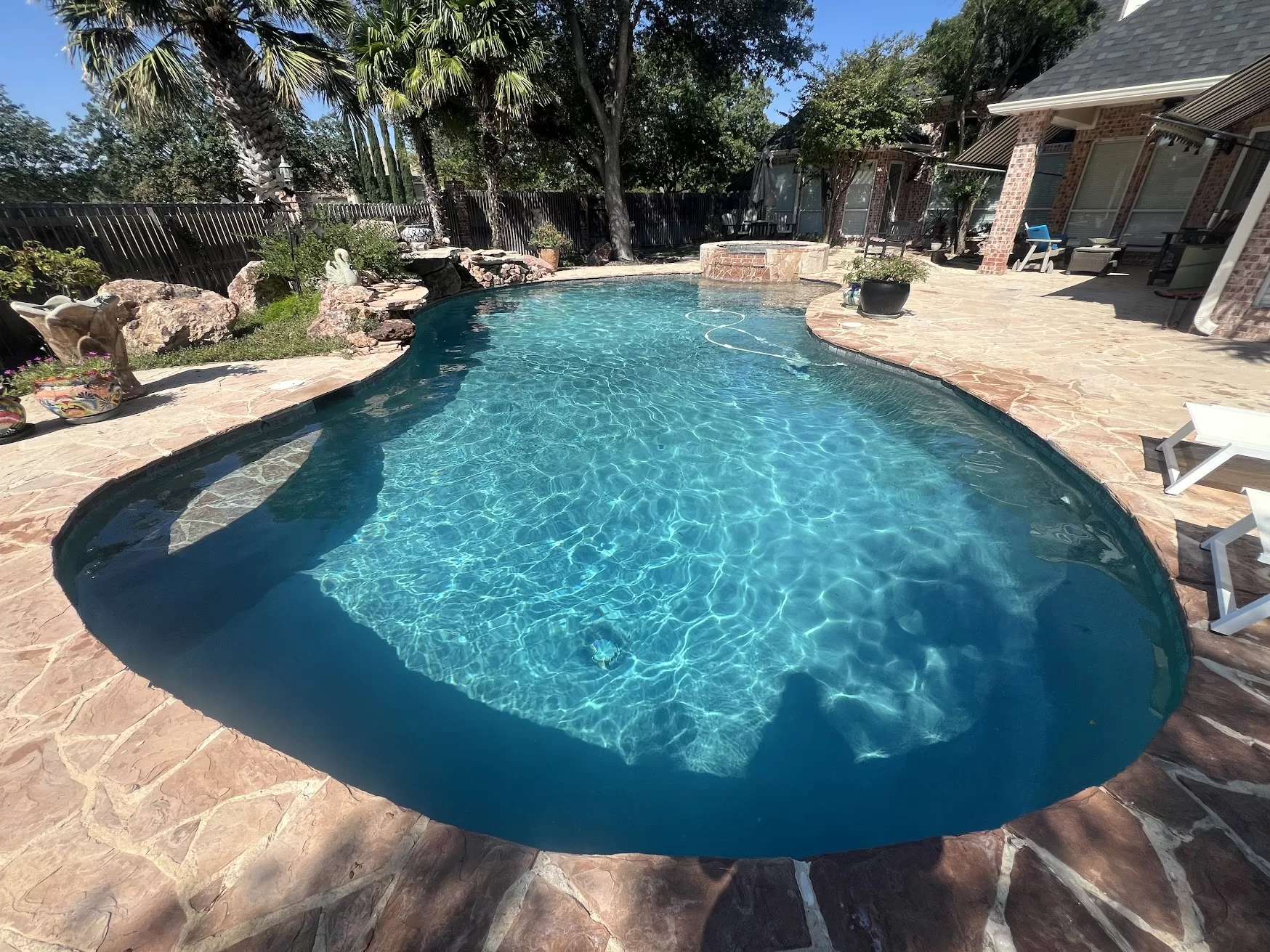
Pressure side pool cleaner basics for San Angelo pools
If your San Angelo pool collects leaves and other settled debris, a pressure-side cleaner may be worth considering. This guide explains how these cleaners work, the plumbing differences between models and what to check when pickup or coverage drops.
How a pressure side pool cleaner works
Water supplied through the cleaner’s return connection powers movement and debris pickup. Models such as the Polaris 280 and 360 collect debris in an onboard bag while cleaning submerged pool surfaces.
Check the model before choosing a pump: the Polaris 280 requires a compatible booster pump. The Polaris 360 uses a suitable pool return connection without a booster. Check its manual for any required adapter kit. Their plumbing and flow requirements are not interchangeable.
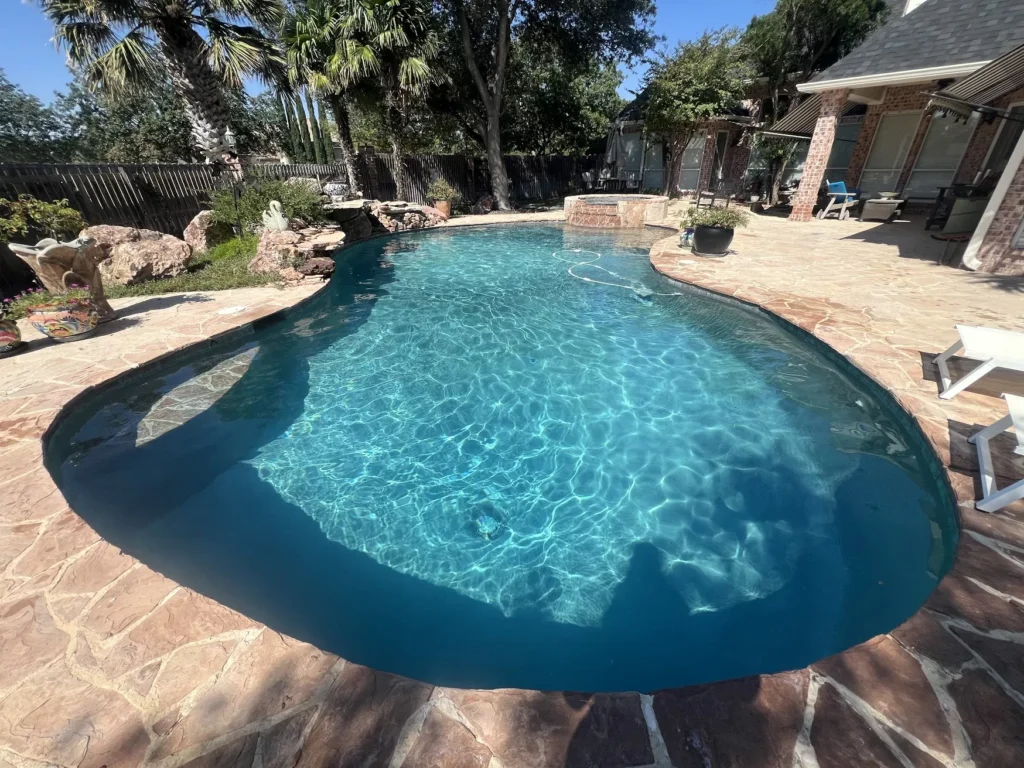
Quick checklist: before buying or troubleshooting
- Identify the exact cleaner model and the type of cleaner line at the pool wall.
- Check the manufacturer’s pump, fitting and hose requirements before ordering equipment.
- With the system off, inspect the bag and hoses for damage or blockages.
- Check the model’s filter screen and hose connections when movement becomes sluggish.
- Use the manual’s flow or wheel-speed test instead of guessing from the main filter-pressure gauge.
Pros and cons for San Angelo yards
- Useful features: an onboard bag collects debris separately from the main filter, and a suitable pressure-side installation leaves the skimmer available for floating debris.
- Tradeoffs: booster-driven models need additional equipment and power; all models need compatible plumbing, flow adjustment and routine bag cleaning.
- Debris limits: pickup depends on the cleaner and bag mesh. No cleaner replaces water treatment for algae or routine pool maintenance.
When to DIY and when to get help
Bag emptying and visual hose checks are reasonable routine tasks when performed with the cleaner off and according to its manual. Persistent low driving pressure, poor coverage or repeated blockages need diagnosis before parts are replaced. Use a qualified professional for new booster-pump plumbing or electrical work.
Maintenance tips for pressure-side cleaners
- Check the bag after cleaning and empty it before it becomes overloaded. The Polaris 280 manual specifies emptying at half full, especially with sand.
- Inspect the inline screen, hose floats and swivels according to the model’s instructions.
- For a booster-driven setup, the filtration pump must be running and primed before the booster starts.
- Remove the cleaner before swimmers enter and before shock treatment. Disconnect it during filter servicing and follow the manual’s restart instructions.
For model-specific procedures, use the Polaris 280 manual or Polaris 360 manual. Avoid applying another model’s pressure settings or parts list to your cleaner.
Need help in San Angelo?
Review Concho Valley Pool’s San Angelo services to see the available types of care. For help with cleaner selection or poor performance, contact Concho Valley Pool with the cleaner model and photos of the pool-wall connection and equipment pad.
Tags: polaris pool cleaner, pool cleaning service near me, pool service san angelo tx, pool vacuuming, pressure side cleaner, san angelo pool cleaning