
Build a routine around your above-ground pool
Above-ground pool maintenance starts with the instructions for your pool, liner, pump and filter. Keep the model numbers and manuals together, record the pool’s water capacity, and note which cleaning tools and chemicals are suitable for its materials. That makes routine care easier and gives a technician a useful starting point when something changes.
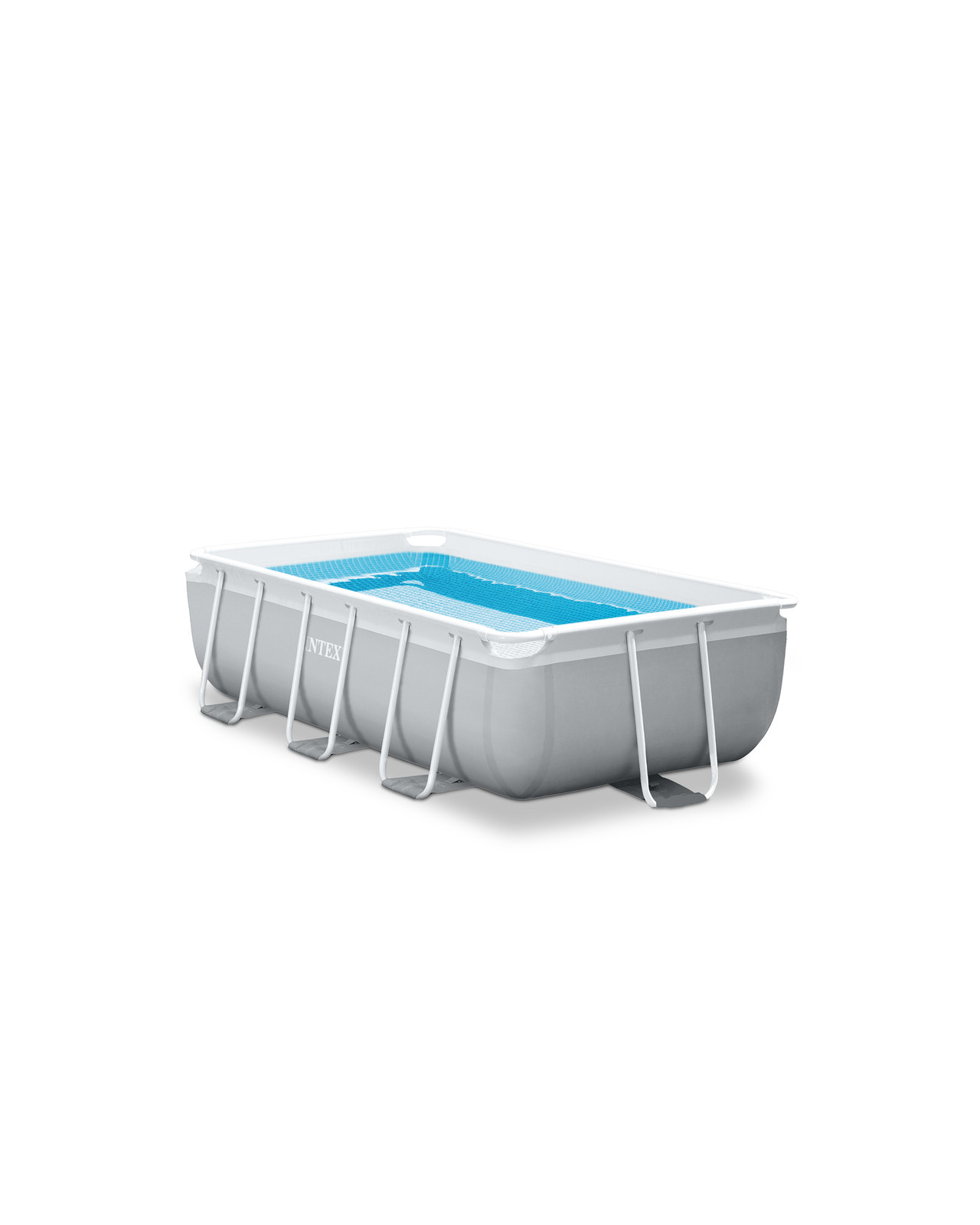
Test water often enough to spot changes
CDC recommends checking chlorine and pH at least twice a day, and more often during heavy use. Follow the test manufacturer’s directions and record the readings and any adjustments. A clear-looking pool still needs testing.
Use the actual pool volume, current results and the chemical label to decide what treatment is needed. If readings are unexpected or outside the test’s range, get help interpreting them before adding more chemicals. Do not use a photo of the water to estimate chlorine concentration or choose a dose.
Make debris removal a regular habit
- Skim: Remove floating leaves and debris as they collect rather than waiting for a large buildup.
- Brush: Choose a brush approved for the liner or surface. Pay attention to areas the cleaner misses.
- Vacuum: Check that the vacuum or robot is suitable for the pool’s dimensions, depth and liner. Follow its instructions for operation and retrieval.
- Inspect: From outside the pool, look for damaged hoses, wet areas, liner problems or changes in the frame’s shape. Have structural concerns assessed before continuing to use the pool.
Check baskets and accessible strainers according to the equipment instructions. Before removing a pump cover or opening a filter, follow the exact shutdown and pressure-release procedure. A brief maintenance checklist is not enough to make a pressurized system safe.
Set pump time for the installed equipment
Use the pump and pool manufacturer’s recommended schedule for your setup, then have it reviewed when use or water conditions change. Runtime depends on pool size, filtration equipment, use and environmental conditions, as described in Pentair’s filtration guidance. A universal eight-to-twelve-hour rule cannot account for every above-ground system.
If you have a saltwater chlorine generator or other equipment that depends on circulation, check its operating requirements too. Ask a technician to coordinate the settings rather than changing the pump schedule in isolation. More runtime is not a repair for a blocked line, damaged pump or badly configured system.
Follow the filter’s own cleaning instructions
Identify whether you have a cartridge, sand or another filter type. Their maintenance steps differ. Use the matching manual’s cleaning trigger and procedure; do not assume every filter needs backwashing or that reduced flow automatically means its media needs replacement. If the system has a gauge, record a clean operating baseline and compare readings at the same pump setting.
Stop a pump that appears to be running dry using its normal controls if safe, and get help finding the cause. Do not keep restarting a pump with an unresolved fault or bypass an electrical safety device.
Handle chemicals according to the product label
Read the full label each time, including application timing, circulation requirements, protective equipment and when swimmers may return. A generic instruction to add chlorine in the evening does not cover every product or situation. Keep chemicals secure in their original containers and follow storage instructions.
CDC’s chemical-safety guidance warns against mixing pool chemicals together, including different chlorine products or chlorine and acid. Predissolve a product only when its label directs it, using the label’s method. Ask for help when you are unsure how to handle a product safely.
When to arrange service in San Angelo
Ask for an assessment if cloudiness keeps returning, circulation remains weak, the pool loses water unexpectedly, a hose or fitting leaks, or a liner or frame concern affects safe use. Electrical faults and pressurized equipment repairs need appropriately qualified help. If the water is too cloudy to see the bottom, keep swimmers out while the problem is assessed. See CDC’s checks before swimming.
Concho Valley Pool advertises above-ground pool maintenance. Text 469-585-4093 with your pool and equipment models, recent readings and a description of the problem, then confirm the scope, availability and estimate. A regular service plan should also say which checks remain your responsibility between visits.
- Contact Concho Valley Pool
- Pool chemicals and chlorine
- Pool robots and cleaner service
- San Angelo pool cleaning services