
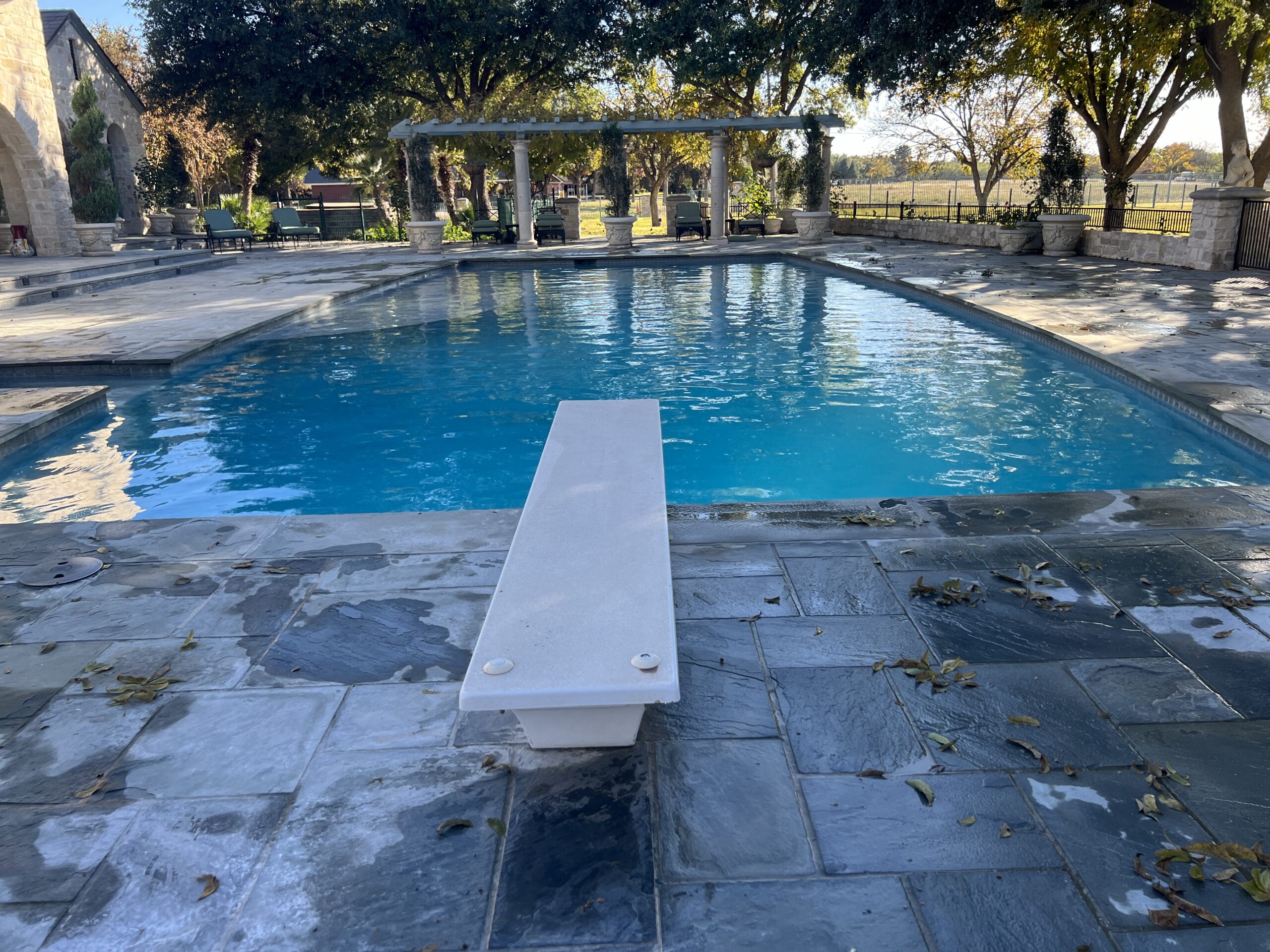
Swimming pool service and repair starts with understanding what changed. A pool that needs routine cleaning, a pump that has stopped circulating water, and a suspected underground leak require different assessments. For San Angelo homeowners, a clear description of the problem helps a service provider plan the visit and explain what can be quoted in advance.
Use this guide to gather useful observations, recognize situations that need professional attention, and review an estimate before authorizing work.
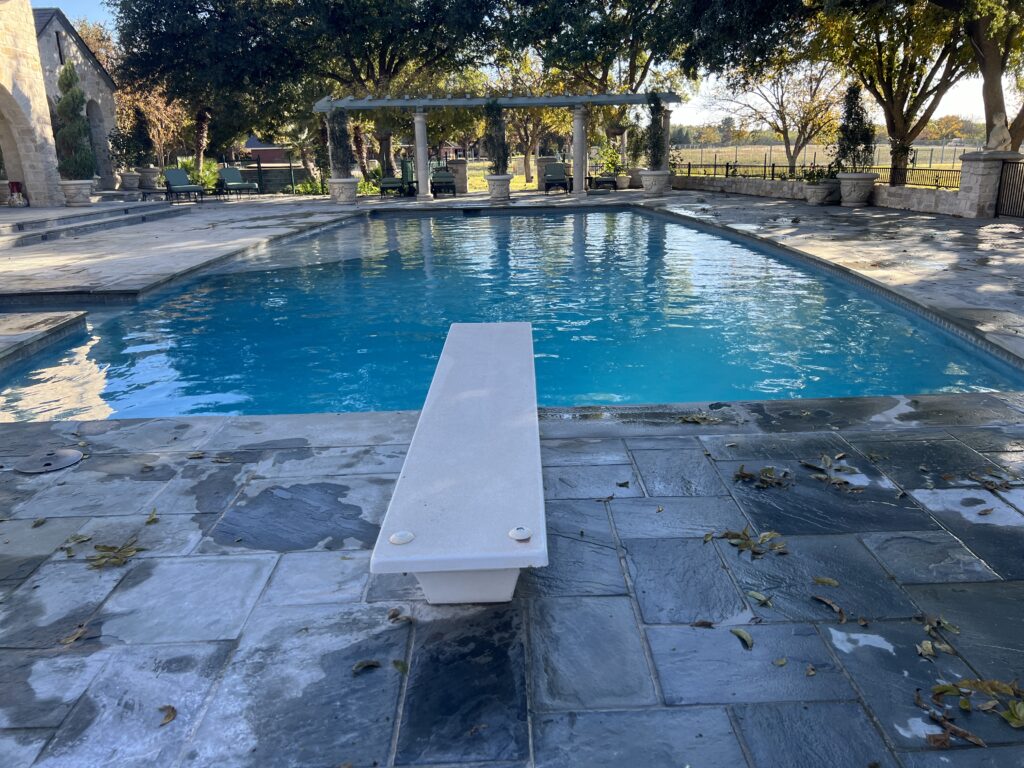
Does your pool need maintenance or a repair?
Routine maintenance generally includes tasks such as removing debris, brushing surfaces, testing water, and performing the filter care specified for the installed equipment. The exact tasks depend on your service agreement. Repairs address a particular fault, such as a failed component, damaged plumbing, or an equipment control problem.
The two can overlap. Poor circulation or cloudy water may call for cleaning, an equipment assessment, water testing, or a combination. Water color alone does not establish the cause. Ask the provider what needs to be checked before buying replacement equipment or adding another treatment.
What to report before a service visit
Gather information from normal, safe observation. There is no need to dismantle equipment to prepare for a call.
- When it started: Note the date, whether the change was sudden or gradual, and any recent storm, service visit, refill, or equipment adjustment.
- Water appearance: Describe cloudiness, unusual color, debris, or staining. Include recent test results and the names and dates of products added, if available.
- Circulation and sound: Report reduced visible return flow, unfamiliar noises, repeated stopping, or an error message. Copy the exact code rather than guessing what it means.
- Water level: Note how much it has changed over a known period, recent rain, and whether automatic filling is in use. Photograph damp areas from a safe location.
- Equipment information: Provide the make and model from an accessible label, plus a wide photo of the equipment area. Do not remove covers to find a label.
These details help explain the symptoms. A photograph cannot confirm an electrical fault, establish the source of every leak, or replace water testing.
When to stop troubleshooting
Keep swimmers out if there is a suspected electrical problem or the water is too cloudy to see the bottom clearly. For smoke, sparking, or an immediate threat to people, move away and contact emergency services. Leave electrical panels, wiring, and underwater lights to an appropriately qualified professional. Pentair’s pool-light troubleshooting guidance directs electrical tracing to a licensed technician or electrician.
Do not loosen filter clamps, remove pressure-system lids, or try to repair a leaking filter housing. Pool filters can contain hazardous stored pressure. Pentair’s filter safety guidance recommends professional filter maintenance. Follow the safety instructions for your own equipment and ask the service provider how to leave the system while awaiting an assessment.
Avoid adding products by guesswork while the cause is unknown. Keep a record of any treatment already used. The CDC’s chemical-safety guidance emphasizes preventing chemicals from mixing and keeping them in their original labeled containers.
What a repair estimate should explain
Before scheduling, ask whether there is a service-call or diagnostic charge and whether it applies toward an approved repair. Confirm that the provider handles your equipment and the type of problem reported.
After the assessment, request a written scope that identifies:
- The diagnosed problem and the evidence supporting it
- The proposed repair, including parts and labor
- Any separate testing, cleanup, disposal, or return-visit charges
- Available repair or replacement options and their limitations
- Applicable parts and workmanship warranty terms
- How additional findings will be priced and approved
Agree on an authorization limit before work begins. If testing reveals a different problem, ask for an updated explanation and price before expanding the job. A maintenance visit should not leave either side guessing about permission for a major repair.
Set realistic expectations for timing
Ask separately about the earliest assessment appointment and the estimated completion date. Availability, diagnosis, equipment compatibility, parts delivery, access, and the need for a specialist can affect the schedule. A booking time is not a promise that every repair will be completed during that visit.
Before the technician leaves, ask what was checked, what remains unresolved, and what conditions must be met before using the pool again. Keep the invoice, part details, and updated operating instructions with your equipment records.
Ask about pool service and repair in San Angelo
Review Concho Valley Pool’s San Angelo pool services, then contact the team or call 469-585-4093 to ask about current repair scope and availability. Have your symptoms, equipment details, and access needs ready so you can discuss the appropriate next step.
Tags: algae cleanup, filter maintenance, pool cleaning service near me, pool repair, pool service san angelo tx, san angelo pool cleaning