
Polaris 65 troubleshooting starts on the pressure side
The Polaris 65 is an above-ground pressure-side cleaner. It runs from water returning to the pool, rather than suction at the skimmer. Polaris specifies it for pools up to five feet deep, with no booster pump required. That distinction matters: suction-cleaner flapper, drive-belt, and skimmer-valve advice does not describe this model.
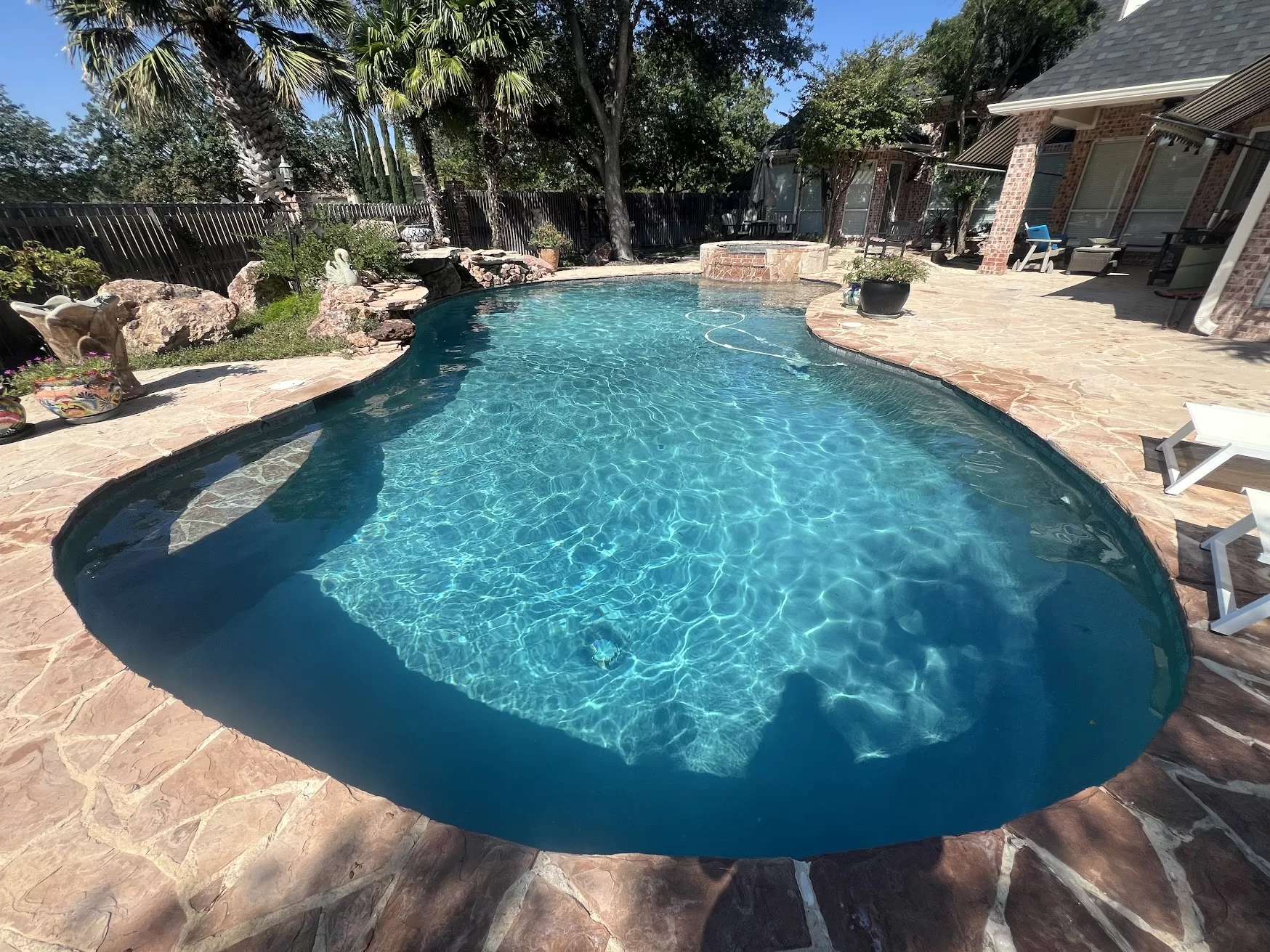
Understand the floating cleaner and sweep assembly
The Polaris 65 product information shows a floating surface module connected to a sweep hose and debris bag. Water jets help move debris into that bag. It is not a wheeled robot that scrubs its way up the walls. Confirm your pool’s return fitting is compatible before buying adapters or replacing an older cleaner.
A useful diagnosis describes both parts: Is the surface module floating normally? Does the bag stay near the floor? Are the hoses straight enough to allow coverage? Photograph the connections and record what happens during a cycle instead of ordering parts from the Polaris name alone.
Safe checks for slow movement or missed areas
Turn the pump off before disconnecting the cleaner or handling its components. Follow the Polaris 65 owner’s manual for these routine checks:
- Empty the debris bag and inspect its attachment and frame.
- Rinse the small filter screen inside the quick disconnect.
- Check the float and sweep hoses for twists, damage, and incorrect length.
- Check the pool filter’s condition; clean or backwash only as appropriate for that filter type and its manual.
- Use the specified pressure-relief adjustment procedure if the module moves too quickly. Do not plug or bypass the relief valve.
Disconnect the cleaner from the pool wall before filter cleaning or backwashing. Polaris instructs owners to run filtration for at least five minutes afterward to flush the return lines before reconnecting. Keep the cleaner out of the water while people swim and during shock treatment.
What different symptoms can tell you
A module that dives or leans needs a hose and flotation check; a bag that rides above the floor needs its installation and operating flow checked. Slow movement can involve restricted flow or a clogged screen. These observations narrow the problem, but none proves that a particular internal part has failed.
Hose length is model-specific. Measure against the manual before cutting anything, and distinguish the floating hose from the sweep hose. Replacing a part simply because it fits a similar-looking Polaris cleaner can create a new coverage problem.
When to stop adjusting
If the pump loses prime, the return flow remains weak, or the surface module still behaves incorrectly after basic checks, request a proper assessment. Do not open a pressurized filter or loosen its clamp while troubleshooting. Have uncertain plumbing, filter, or internal-cleaner work handled by someone qualified for that equipment.
For parts, keep the model number, photos, and a description of the fault together. Ask for an itemized repair estimate and compare it with replacement options. Manufacturer warranty eligibility, parts stock, and any local repair capability need confirmation before you rely on them.
Pool care in San Angelo
Need help working out how cleaner performance fits your pool’s maintenance needs? Explore San Angelo pool cleaning services or contact Concho Valley Pool at 469-585-4093 to discuss your pool and ask about service options.
Tags: polaris pool cleaner, pool cleaning service near me, pool robots san angelo, pool service san angelo tx, san angelo pool cleaning