
Finding the right pool cleaning help in San Angelo
A search for “swimming pool cleaners near me” can mean two different things: a machine that picks up debris, or someone to maintain the pool. The right choice depends on what is actually going wrong. Leaves on the floor, a cleaner that stalls and water that stays cloudy each need a different check.
Start by noting your pool’s size, surface and usual debris, then decide whether you need equipment, a repair assessment or ongoing cleaning. A clear description is more useful than buying a stronger cleaner without knowing why the current setup is struggling.
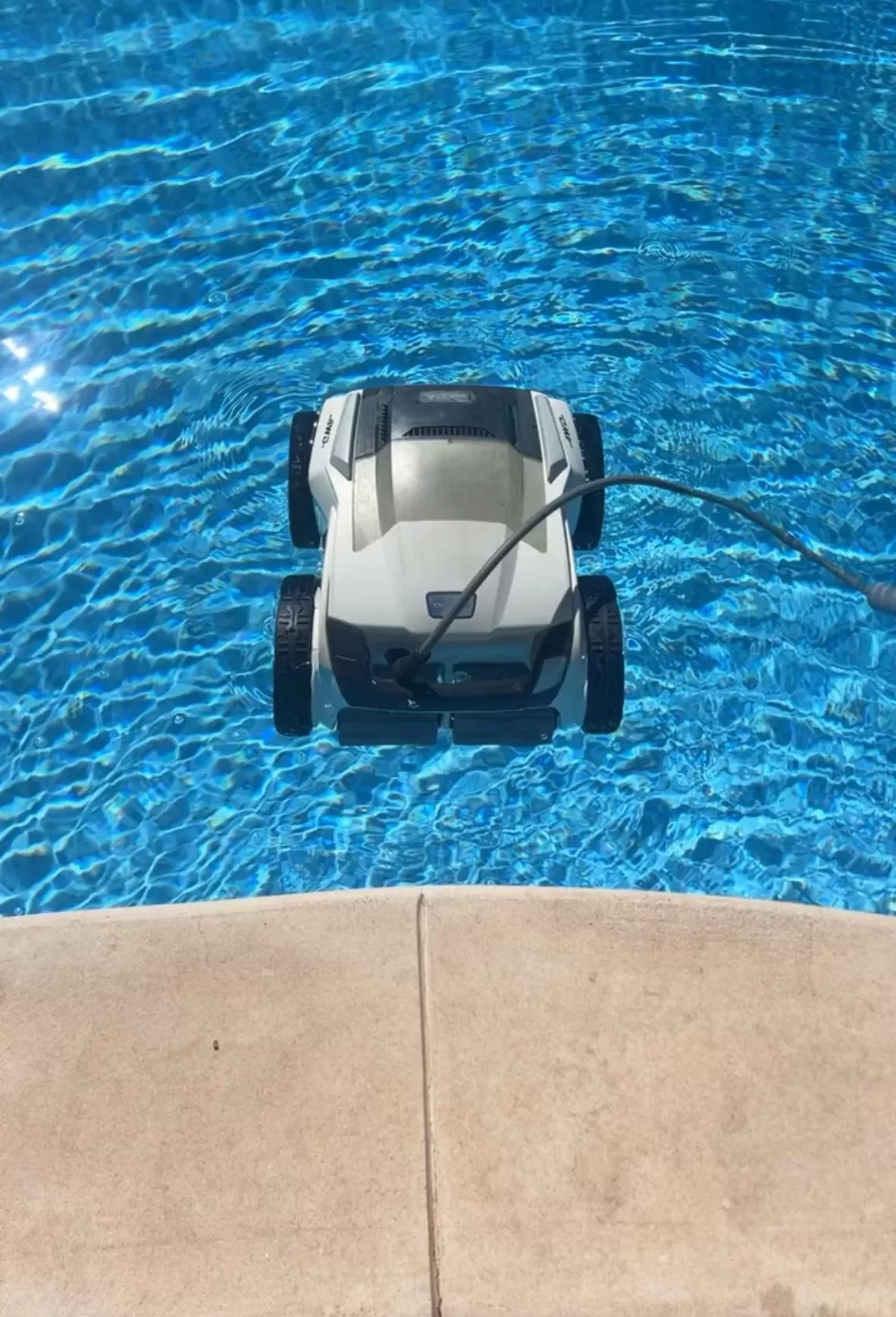
What each type of cleaner does
- Robotic: Collects debris in its own filter or canister. Coverage, filter fineness and whether it cleans walls or the waterline depend on the model. Corded and battery-powered units have different charging and electrical requirements.
- Suction-side: Connects to a compatible skimmer or dedicated suction port and relies on the pool pump. Debris travels toward the pool’s filtration system, so baskets, hoses and filter condition matter.
- Pressure-side: Uses pressurized water and usually a separate debris bag. Some models require a booster pump; others do not. Confirm the exact model before changing plumbing.
- Manual: A leaf rake, brush and vacuum let you target steps, corners and storm debris. Match tools to the pool surface and the vacuum to the equipment.
Checks before buying or booking service
- Record the cleaner’s make and model, the filter type and where debris remains after a cycle.
- Look for visible hose damage, a full debris container or worn cleaning surfaces, with the equipment switched off.
- Note filter pressure and pump speed during normal operation; a pressure reading is meaningful only in context.
- Ask what is included in a cleaning visit: brushing, vacuuming, basket care, water testing and equipment observations may be priced differently.
- For repairs, request a diagnosis and estimate before approving replacement parts. Confirm availability and any written warranty terms separately.
Keep cleaning and water safety connected
A cleaner removes debris; it does not establish that the water is safe to swim in. Continue water testing and treatment. The CDC home-pool testing guide explains why disinfectant and pH checks remain necessary. If cloudiness hides the deep-end bottom or drain, keep swimmers out while the cause is addressed; the CDC swimming checklist includes checking that the deep-end drain is visible.
Turn off the pump before disconnecting suction hoses or clearing a cleaner. Never test suction with your hand, and keep swimmers out while a cleaner operates. For a corded robot, follow its GFCI, power-supply placement and cable instructions. Do not use an extension cord as a workaround for an unsuitable outlet; the Polaris robotic-cleaner manual expressly prohibits one for the covered models.
When an assessment is worth arranging
Repeated suction loss, unusual pump noise, a damaged electrical cable, recurring GFCI trips or dirt returning soon after cleaning deserve investigation. Stop using damaged equipment. A robot may collect debris independently, but it cannot repair the pool’s circulation system.
Getting help in San Angelo
For help with a cleaner problem or a pool maintenance plan, explore San Angelo pool cleaning services and contact Concho Valley Pool to ask about service options and availability. Include your cleaner model, pool dimensions and a short description of the problem so the first conversation can focus on the right next step.
Tags: pool cleaning service near me, pool service san angelo tx, pool vacuuming, robotic pool cleaner, san angelo pool cleaning