
Good pool care combines debris removal, water testing and equipment observation. Clear-looking water alone does not tell you whether sanitizer and pH are suitable. Keep a short log so you can describe changes instead of repeatedly adding products and hoping the water improves.
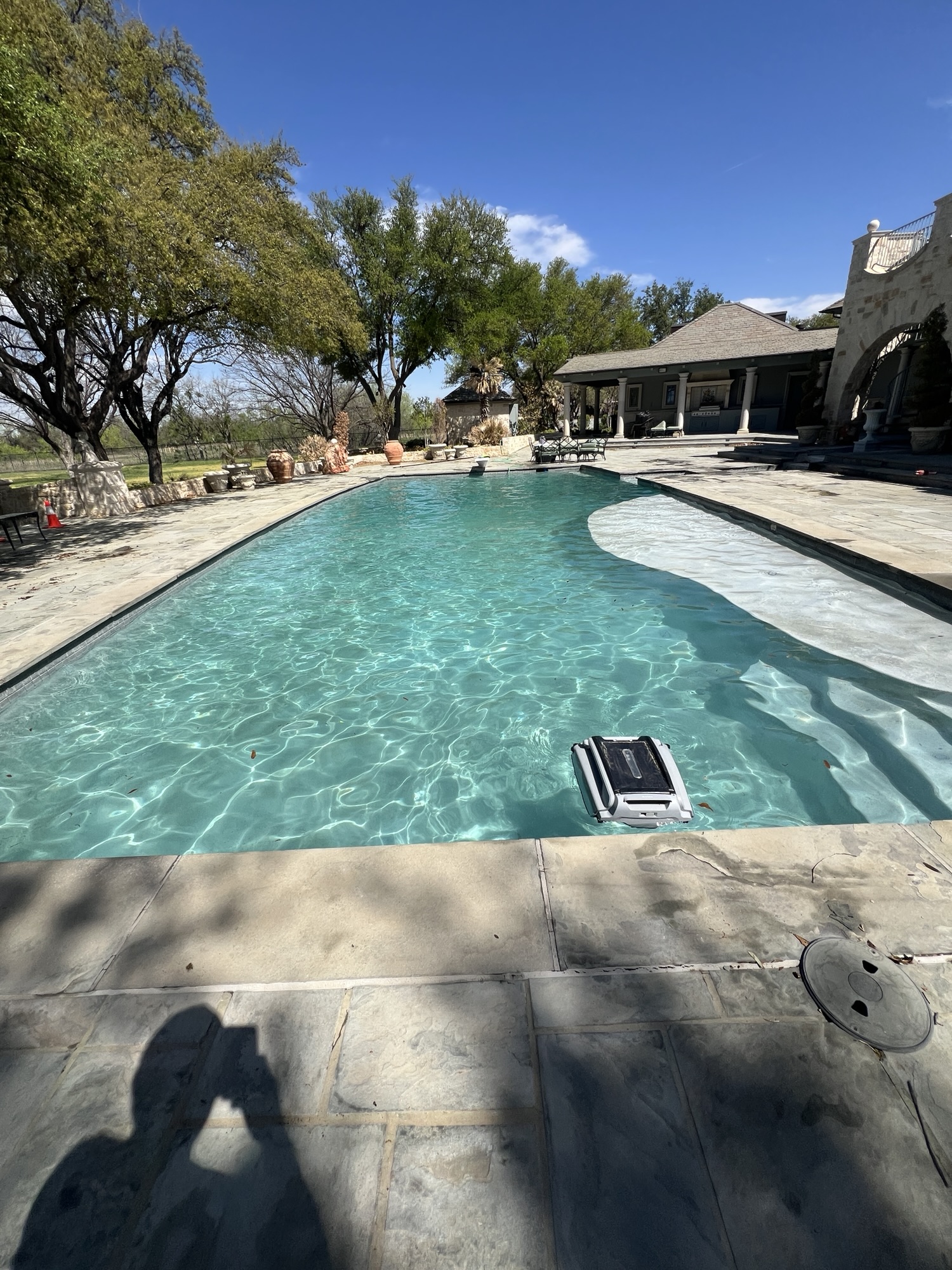
Build a repeatable routine
Skim leaves before they break apart, brush with a tool suitable for the pool surface, and remove settled debris with compatible equipment. Inspect accessible baskets as debris accumulates. Before opening a pump basket or filter, switch equipment off and follow its pressure-release procedure; never loosen a pressurized lid or clamp.
Write down the useful details
- Record chlorine and pH test results, not just “good” or “bad.”
- Note chemical product names, concentrations, amounts and addition times.
- Record filter pressure under comparable pump settings and note the clean baseline.
- Check for changing water level, reduced return flow, new noise or visible leaks.
Testing and Safe Equipment Checks
CDC recommends checking chlorine and pH at least twice daily, with more frequent testing during heavy use. Follow the test method and product labels. Smell and water color cannot replace measurements.
Keep swimmers out if visibility is poor or there is an equipment safety concern. Turn equipment off before opening a basket or filter and follow the manufacturer’s pressure-release instructions. Never mix pool chemicals. Stop using faulty electrical equipment and have it assessed by a qualified professional.
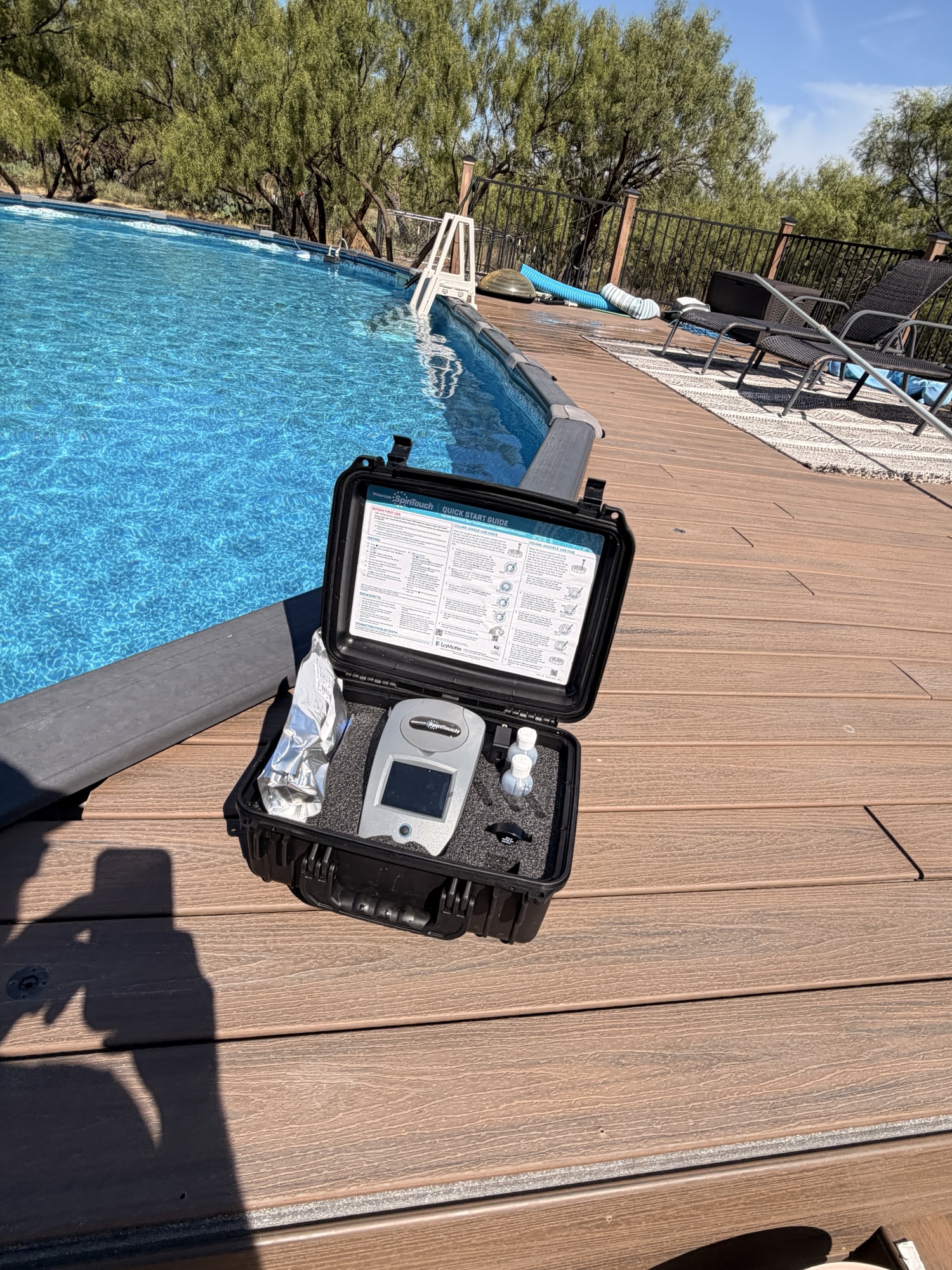
Ask About Local Service
For help with your pool, review Concho Valley Pool’s San Angelo cleaning and maintenance services or contact the business. Call or text 469-585-4093 with your location, a description of the issue and useful photos. Confirm current route coverage, availability and the written scope before booking.
Tags: chlorine prices san angelo, pool cleaning service near me, pool filter cleaning, pool service san angelo tx, robotic pool cleaner, san angelo pool cleaning