
Pool tile cleaning should begin with the tile and deposit type. A waterline film, mineral scale, loose grout and damaged tile are different problems. A method that removes buildup can still damage glass, stone, glaze or grout if it is not suitable for that material.
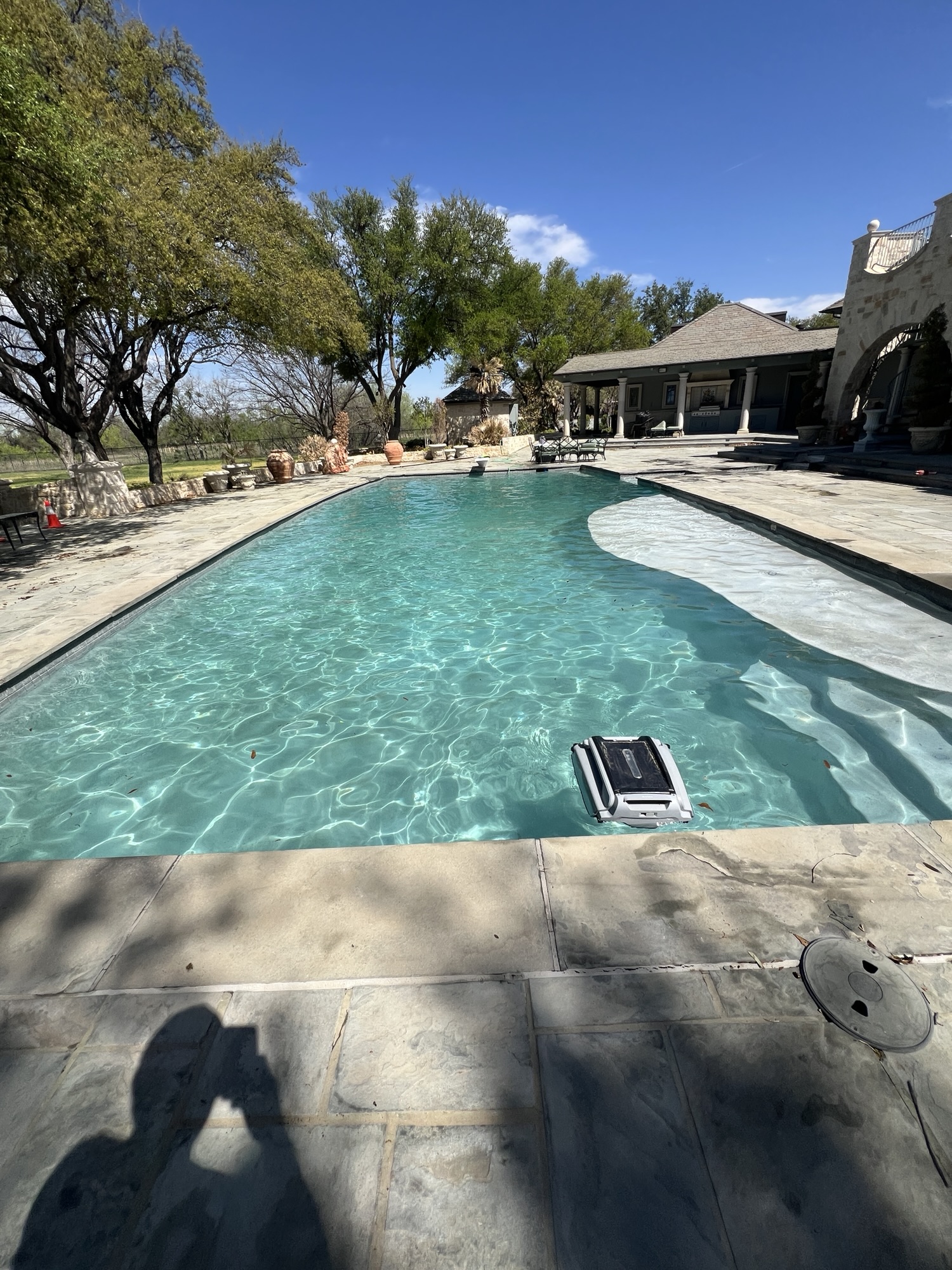
Identify the Surface Before Choosing a Cleaner
NPT’s tile-care guidance distinguishes cleaning considerations and cautions around acids. Check the instructions for the specific tile, grout and cleaning product. Do not assume pumice, abrasive pads or strong acids are safe because they worked on another pool.
Useful Checks and Information
- Take close-up and wider photos of the affected area.
- Identify the tile and grout if records are available.
- Note whether the deposit is at the waterline, on submerged areas or around fittings.
- Report loose tiles, cracked grout or sharp edges before attempting cosmetic cleaning.
Keep Chemical and Surface Work Safe
Do not drain the pool or improvise an acid mixture to obtain a quote. Have the professional assess the finish, site conditions and appropriate handling before work starts. Never mix pool chemicals. Follow the product’s protective-equipment and disposal instructions, and keep people and pets away from the work area.
Ask what outcome is realistic and what risks remain. A photograph can support an initial discussion, but it cannot establish the full depth of damage or guarantee that discoloration will disappear. Confirm the written scope and any separate repair costs before authorizing treatment.
Local Help and Next Steps
Contact Concho Valley Pool at 469-585-4093 with your location, photos and exact equipment or finish details. Review San Angelo cleaning and maintenance services. Confirm current availability, assessment needs and pricing before booking.
Tags: chlorine prices san angelo, pool cleaning service near me, pool service san angelo tx, pool tile cleaning, pool tile restoration, san angelo pool cleaning